Technical Diploma in Applied Public Health Emergency Management
Description
The Technical Diploma in Applied Public Health Emergency Management builds the skills and knowledge needed to prepare for, respond to, and manage public health emergencies in complex and resource-limited settings. It focuses on strengthening national and local capacities to reduce the health impact of disasters, outbreaks, and humanitarian crises through practical tools and evidence-based approaches.
The program targets professionals involved in emergency preparedness, response, and recovery, including emergency management coordinators, epidemiologists, humanitarian officers, and members of rapid response or emergency operations teams.
Through six focused modules, participants gain applied competencies in emergency management, outbreak response, humanitarian coordination, field tools and techniques, risk assessment and management, and risk communication. By the end of the diploma, graduates will be able to design and implement emergency response plans, conduct rapid health assessments, and strengthen coordination and communication during public health emergencies.
Objectives
Upon completion of the program, participants will be able to:
- Apply the principles of public health emergency management
- Use epidemiological methods in health emergencies
- Work safely and effectively in the context of conflicts
- Apply various public health tools and techniques in challenging conditions
- Assess risk to plan suitable risk management interventions
- Communicate risk to the target audience effectively
Modality
This Technical Diploma is delivered through a fully self-paced online modality, allowing participants to access all learning materials and activities at their convenience. The program includes interactive content, pre- and post-tests to support knowledge acquisition. Participants can learn at their own pace and revisit modules as needed throughout the course duration.
Target Audience
The program is useful for public health professionals working for ministries of health, non-governmental organizations, and humanitarian agencies. It’s also valuable for those looking for a career in emergency management.
Certification
Graduates will receive a Technical Diploma in applied Public Health Emergency Management issued by the International Academy of Public Health (IAPH).
Admission Requirements
To enroll in this technical diploma, applicants should:
- Hold a bachelor’s degree in public health, medicine, nursing, environmental health, epidemiology, or another related health or social science field.
- Have experience or interest in emergency preparedness, humanitarian response, or disaster management (preferred but not required).
- Be proficient in English to follow course materials and complete assessments.
- Have access to a computer and reliable internet connection to complete the online modules.
Module 1: Principles of Public Health Emergency Management
Disasters, whether natural or human-made, are special situations where there is an imbalance between needs and resources. To effectively manage such situations, an in-depth understanding of the causes and determinants is necessary. Special competencies and skills are also required to ensure proper management, minimize risks, meet demands, and maintain services.
Thus, this course aims to explain general concepts and principles of disasters and their management. It is intended to be the foundational course for individuals with no prior experience in emergency management or those who have received no prior training in disaster management.
Learning Outcomes
By the end of this module, the participant will be able to:
- Apply various terms used in the disaster management domain
- Understand the concept of risk assessment and risk management
- Develop various emergency plans
- Understand the regional and national emergency management systems
- Work in coordination within emergency management systems
Module Outline
- Introduction to Disaster Management.
- Disaster and Public Health.
- Common Diseases in Natural Disasters.
- Ethics and Humanitarian Values during Emergencies.
- Disasters and Development.
- Disaster Recovery and Reconstruction.
- Risk Assessment and Risk Management.
- Emergency Planning.
- Emergency Operations Center.
- Incident Command Center.
- Management of Complex Incidents
Module 2: Public Health Interventions during Emergencies
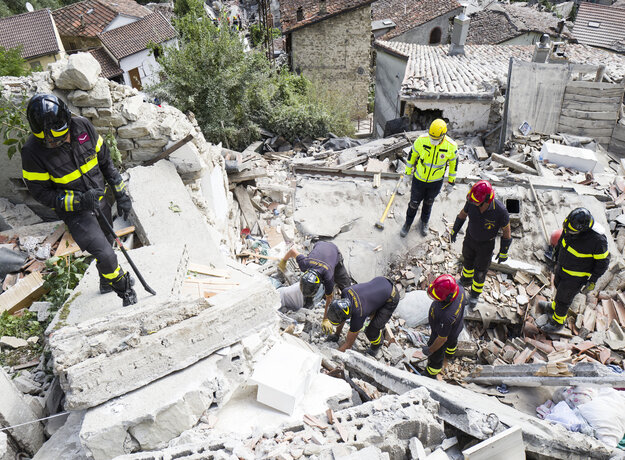
Public health interventions vary significantly depending on the nature and type of disaster, as well as the availability of resources. They also differ based on the social, political and economic characteristics of each affected community. Knowing these interventions and the ability to prioritize them according to the context are critical to humanitarian workers and disaster managers. During emergencies, public health interventions must be modified to meet the specific needs of the people and the healthcare system. Different approaches, standards, and plans are applied during emergencies. This course aims to address the regional gap in knowledge and practices related to public health interventions during emergencies. It follows international guidelines and standards, which are modified to meet the regional context and local characteristics.
As a type of intervention, outbreak investigation is a core function of epidemiology and a crucial part of public health practice. It allows rapid response and containment of public health events that threaten public safety and health security. Building the national and regional capacity and skills in rapid outbreak investigation is essential to ensure effective and efficient management of disease outbreaks.
The risk of disease outbreaks increases during disasters due to exposure to hazardous conditions and materials, increased vulnerability of people, and loss of resources and local capacity. Due to the unstable nature of a crisis, both physical and institutional, the expected consequences of disease epidemics are more severe. The processes of data collection, fieldwork, communication, and other response activities are particularly challenging in the acute phase of natural and complex emergencies. So, conducting outbreak investigation in such challenging conditions requires special approaches, techniques, and tools that are adapted to suit the emergencies.
Learning Outcomes
By the end of this module, the participant will be able to:
- Understand the structure and function of surveillance systems during emergencies
- Conduct outbreak investigations in emergencies
- Conduct health needs assessments
- Identify and apply cost-effective interventions in responding to public health emergencies for refugees/IDPs and host communities
- Make plans to keep primary, secondary care levels, and referral services functioning during emergencies
Module Outline
- Introduction to Public Health Surveillance.
- Innovative Disease Surveillance.
- Surveillance During Disasters.
- Principles of Disease Transmission, Control and Prevention.
- Safety and Biosecurity in the Field.
- The Role of Epidemiologist in a Disaster Management.
- The Sphere Project - International Standards in Emergencies.
- Essential Indicators in Emergencies.
- Rapid Response Teams.
- Health Needs Assessment in Emergencies.
- Mass Casualty.
- Mass Casualty Management.
- Assessing Mortality in Emergency Situations.
- Disaster Information System.
- Medical Supplies and Logistics in Emergencies.
Module 3: Human Conflicts and Humanitarian work

This course aims to highlight and discuss the nature and causes of human conflicts. It seeks to identify possible public health interventions for the problems arising from disputes, both in the short and long term. In addition, the course discusses other relevant topics, such as the War on Terror, political emergencies, the international humanitarian system and assistance, and the future of humanitarian actions. Those aspects are discussed at the global, regional, and national levels.
Learning Outcomes
By the end of this module, the participant will be able to:
- Discuss the reasons and consequences of conflicts
- Study the nature and evolution of human conflict at the global, regional and national levels
- Discuss national and global emergency prevention efforts
- Critically appraise the current humanitarian intervention system
Module Outline
- Conflict Around the World.
- Humanitarian System.
- Post-modern Conflicts and Complex Emergencies.
- International Cooperation and Aid Coordination.
- Humanitarian Intervention.
- Multi-Agency Coordination.
- Humanitarian Reform.
- Role of NGOs in Disasters.
- Humanitarian Crises and Evaluation
Module 4: Public Health Tools and Techniques in Challenging Conditions
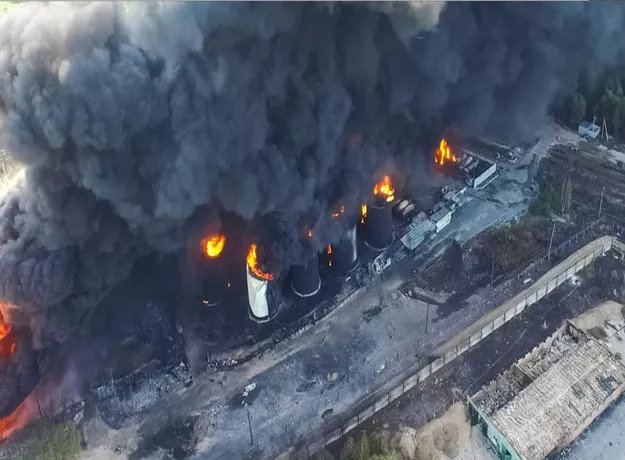
Disasters and emergencies are extraordinary situations that necessitate the application of specialized strategies to manage them. The Eastern Mediterranean Region (EMR) is one of the regions most severely affected by various types of disasters. These emergencies have a significant negative impact on the community and the health systems of countries. The complex emergency profile necessitates the existence of competent systems capable of managing these emergencies through a scientific, evidence-based approach that is grounded in the local context and informed by international experiences.
In conditions such as conflicts and the acute phases of natural and human-made disasters, conventional systems, including health information systems, tend to behave differently, with varying requirements, standards, tools, and techniques. This course will help participants apply various public health tools and techniques in challenging conditions. It will enhance the participants' capacity to effectively and efficiently respond to public health emergencies by utilizing suitable public health tools and techniques.
Learning Outcomes
By the end of this module, the participant will be able to:
- Effectively handle data in the acute phase of emergencies from collection to dissemination
- Conduct a rapid health needs assessment in challenging conditions
- Develop evidence-based emergency response plans
- Use negotiation and conflict resolution skills to facilitate implementation
Module Outline
- Public Health Components of Disasters.
- Disaster Epidemiology.
- Health Information Systems in Disasters.
- Data for Decision-Making.
- Data Collection in Challenging Conditions.
- Data Analysis in Challenging Conditions.
- Reporting Writing and Processing.
Module 5: Public Health Risk Assessment and Risk Management
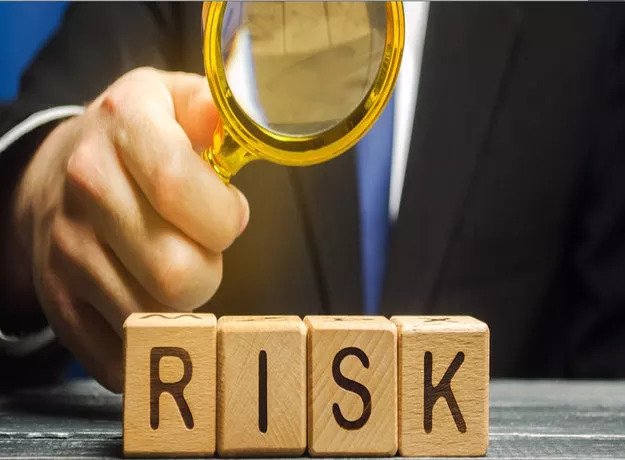
Public health is impacted via a wide spectrum of hazards ranging from physical, chemical and biological factors. When they interact with people and health system vulnerability factors, people's health and lives are at risk. To minimize these risks, robust risk reduction measures must be implemented. However, risk reduction cannot be achieved without understanding the causes and influencing factors. Hence, risk assessment, including risk determinants, is crucial for any risk management plans and projects.
Hence, this unit is needed to provide a field-oriented, locally adapted, simplified training that presents suitable tools and techniques for conducting risk assessments and developing risk management plans by assessing public health risks.
Learning Outcomes
By the end of this module, the participant will be able to:
- Discuss the common public health risks in the region
- Understand the process and approaches of hazard, vulnerability and capacity assessment
- Apply GIS and other IT tools in risk assessment and management
- Demonstrate the development of risk reduction plans
- Cost risk management
Module Outline
- Introduction to Risk Assessment.
- Semi-Quantitative Risk Assessment.
- Disaster Risk Management Frameworks.
- Risk Management.
- Economics of Risk Management.
- Information Management in Disasters.
- Disaster Management Plan.
- Assessment of Hospital Safety.
Module 6: Risk Communication

Risk communication refers to the dissemination of information to the public about health risks and events, encompassing the range of communication skills required throughout the preparedness, response, and recovery phases of a public health event. Risk communication is one of the core pillars of responding to public health emergencies and plays a vital role in influencing informed decisions and promoting positive behavior change.
This course explains risk communication techniques and possible health promotion interventions during mass disasters. Techniques for communicating the problem are discussed, including advocacy to policymakers, building partnerships and alliances, and engaging with individuals and communities to change risk behavior. These techniques eliminate fear and empower communities to protect their health in a positive way. At the same time, community participation is discussed and explored. Equity and evidence-based interventions are also considered primary ethical considerations in health promotion. Developing mass media campaigns is also considered.
Learning Outcomes
By the end of this module, the participant will be able to:
- Describe the different strategies and approaches used for risk communication
- Discuss the processes of health promotion, social mobilization, and community engagement
- Identify stakeholders and suitable communication approaches
- Demonstrate the application of risk communication strategies during emergencies
- Communicate effectively with the public, media, and stakeholders active in public health emergencies
Module Outline
- Introduction to Risk Communication During Emergencies.
- Basics of Communication Skills.
- Psychology of Crises.
- Building Blocks of Risk Communication.
- Setting Communication Objectives.
- Development of Risk Communication Plans.
- Development of Communication Message and Material Session.
- Role of Information Technology in Risk Communication.
- Media and Mass Communication Channels.
- Messages and Audiences.
- Spokesperson.
- Community Engagement and Social Mobilization.
- Resources, Stakeholder and Partners for Risk Communication.
Diploma Features: