Vaccine-Preventable Diseases
Description
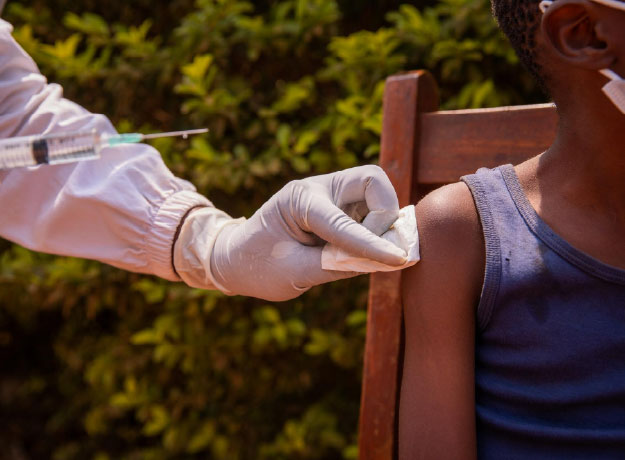
Vaccine-preventable diseases (VPDs) are infectious diseases for which effective vaccines exist and are globally recommended. These diseases—such as poliomyelitis, measles, rubella, diphtheria, pertussis, hepatitis B, and tuberculosis—remain significant causes of morbidity and mortality, especially in low- and middle-income countries. The World Health Organization (WHO) currently recommends vaccines against 26 diseases, and estimates suggest that immunization saves more than 2 million lives annually.
Despite these advances, gaps in vaccination coverage persist due to barriers such as financial limitations, misinformation, logistical challenges, and lack of access. This course aims to build foundational knowledge of VPDs and strengthen competencies in disease prevention, surveillance, and control, including the essential principles of vaccine delivery and cold chain management.
Learning Outcomes
- Identify VPDs of public health importance
- List the main clinical features of each disease together with case definition
- Identify the disease specific agent, reservoir, human host and the mode of transmission
- Describe the life cycle of the disease
- Estimate the disease burden and analyze its determinants
- List the recommended control methods and assess possibility of elimination/ eradication
- Understand vaccine cold chain and its management
- Introduction to Vaccine-Preventable Diseases (VPDs)
- Immunization and Vaccinology
- Vaccine-Preventable Disease (VPD) Surveillance Systems
- Outbreak Investigation and Response for Vaccine-Preventable Diseases (VPDs)
- VPDs Among Children
- VPDs Among Adults
- VPDs Targeted for Elimination/Eradication
- Vaccine Management
Certificate