Vector-Borne Diseases
Description
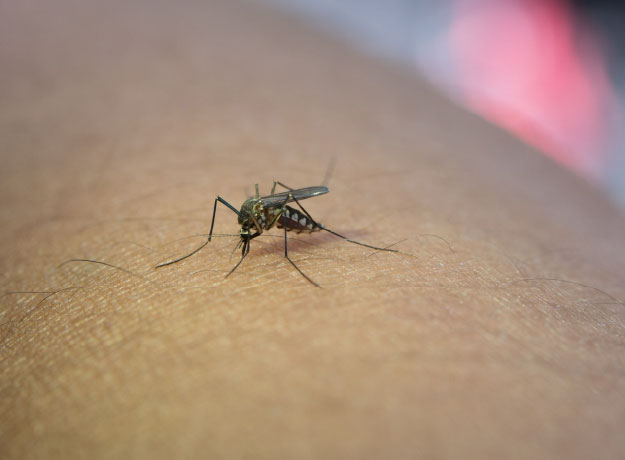
Vector-borne diseases are diseases that spread to people and animals primarily through the bite of an infected mosquito, tick, or flea. This course provides an introduction to vector-borne diseases and the principles of Vector Control and Integrated Vector Management (IVM) as key approaches for their prevention and control. VBDs can be classified into 4 major groups: Arthropod-Borne Viruses (Arboviral diseases: chikungunya, West Nile, yellow fever, dengue and Zika), Bacterial Vector-Borne Diseases (Plague, Lyme disease and tularemia), Rickettsial Zoonotic diseases (Q fever, Rocky Mountain spotted fever, and typhus fevers) and parasitic VBDs (malaria, leishmaniasis, trypanosomiasis). As per WHO, VBDs account for more than 17% of all infectious diseases, causing more than 700 000 deaths annually. The distribution of vector-borne diseases is determined by complex demographic, environmental and social factors. The burden of these diseases is highest in tropical and subtropical areas, and they disproportionately affect the poorest populations. Recently, major outbreaks of dengue, malaria, chikungunya, yellow fever and Zika occurred. Many of these diseases are preventable through informed protective measures and effective vector control strategies.
Learning Outcomes
- Identify VBDs of public health importance
- List the main clinical features of each disease and state case definition where appropriate
- Identify the disease specific agent, reservoir, human host and the mode of transmission
- Describe vector breeding sites, resting and feeding behavior
- Describe the life cycle of the disease and the vector
- Estimate the disease burden
- List the recommended control methods and assess the possibility of elimination or eradication
- Introduction to Vector-Borne Diseases
- Vector Control and Integrated Vector Management (IVM)
- Arthropod-Borne Viruses
- Bacterial Vector-Borne Diseases
- Rickettsial Zoonotic Diseases
- Parasitic Vector-Borne Diseases (VBDs)
Certificate