Risk Communication and Community Engagement
Description
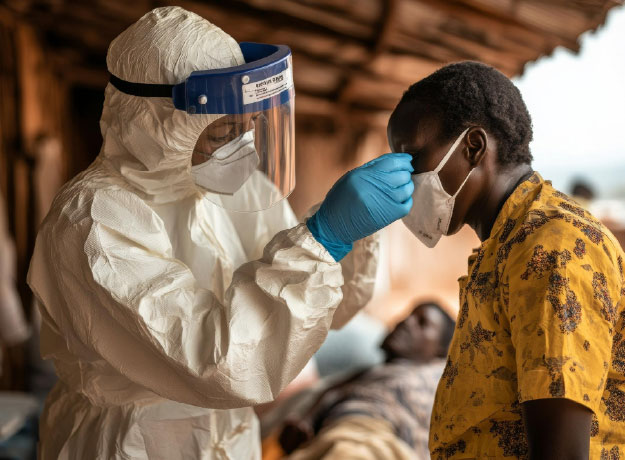
Risk communication focuses on sharing information about health threats and events with the public. It promotes informed decisions and positive actions during emergencies. It covers preparedness, response, and recovery phases of public health events. Public health surveillance informs these efforts and enables early detection of emerging risks. This course highlights advocacy to policymakers, alliances, community-based communication strategies, mass media campaigns, and ethical interventions for equity. It also addresses core surveillance principles, innovative approaches, and surveillance during disasters to strengthen risk communication efforts.
Learning Outcomes
- Describe different strategies for risk communication
- Discuss health promotion, social mobilization, and community engagement
- Identify stakeholders and design suitable communication approaches
- Apply risk communication strategies during emergencies
- Communicate effectively with the public, media, and other stakeholders
- Explain the role of public health surveillance in guiding risk communication
- Examine innovative disease surveillance approaches that support risk communication
- Adapt surveillance methods under disaster conditions for timely communication
- Introduction to Risk Communication During Emergencies
- Basics of Communication Skills
- Psychology of Crises
- Building Blocks of Risk Communication
- Setting Communication Objectives
- Development of Risk Communication Plans
- Development of Communication Message and Material Session
- Role of Information Technology in Risk Communication
- Media and Mass Communication Channels
- Messages and Audiences
- Spokesperson
- Community Engagement and Social Mobilization
- Resources, Stakeholders, and Partners for Risk Communication
Duration:
30
Learning Hours
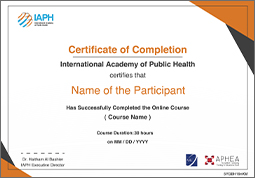
Certificate