Principles of One Health
Description
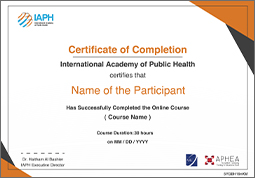
There is abundant evidence that no single sector or department can sufficiently manage the challenges of public health in any country, region, or continent. Experiences from the fight against COVID-19 and the highly pathogenic avian influenza in the past few years demonstrated the effectiveness of multi-sectoral, multiagency approaches and the need for specific training targeting multi-sectoral and multi-disciplinary public health professionals not limited by national or regional borders in dealing with public health threats. In response to this challenge, the One Health approach has been advocated as the global framework for strengthening collaboration and capacities of the sectors and actors involved in health service delivery. This module is designed to introduce the basic concept of One Health and its application for example, controlling infectious diseases, food security, food safety, antimicrobial resistance and other public health threats at the human, animal, and environmental interface.
Learning Outcomes
- Explain the One Health approach and the application of its core competencies in multiple disciplines.
- Apply the principles of ecosystem health and the concept of human, animal environmental interface to the strengthening of global health equity.
- Explain the basic principles of integrated zoonotic disease surveillance, AMR and food borne diseases detection, prevention, and control.
- Demonstrate leadership and management skills in One Health and become transformative agents by promoting gender equality and equity in all aspects of their work.
- Identify gaps in One Health and identify resources to address those gaps.
- Assess how One Health intersects with other disciplines, and describe it at the local, regional and the global levels.
- Basic principles and concepts of One Health
- Common One Health Issues
- Stakeholders’ analysis for One Health Implementation
- One Health Joint Plan of Action
Certificate